One in four Somalis experience severe hunger due to worsening droughts – UN

The United Nations warned on Monday that one in four people in Somalia are at risk of severe hunger as a result of the drought that has ravaged the country by decades of war, after three seasons of bad rains.

The United Nations expects the crisis to worsen and 4.6 million people in need of food aid by May 2022, as the country has not experienced three consecutive rainy seasons in more than 30 years.

The UN warned in a statement that a lack of food, water and pasture has already forced 169,000 people out of their homes, a number that could rise to 1.4 million within six months.

In recent years, natural disasters – not conflicts – have been the main cause of displacement in Somalia, the country most vulnerable to climate change.

“This is an unprecedented disaster, putting 300,000 children under the age of five at risk of severe malnutrition in the coming months,” Adam Abdelmoula, the UN’s humanitarian coordinator for Somalia, told AFP.

“They will die if we don’t help them soon,” he said, as the United Nations appealed for $1.5 billion for the crisis response.

Some 7.7 million people, nearly half of Somalia’s population of 15.9 million, will need humanitarian aid and protection in 2022, an increase of 30% a year, according to the United Nations.

At least seven out of ten Somalians live below the poverty line and drought has destroyed already precarious sources of income — loss of livestock, low harvests — all combined with high inflation.

“The risk is so great that without immediate humanitarian aid, children, women and men in Somalia will starve to death,” Somalia’s Minister of Humanitarian Affairs and Crisis Management Khadija Diriya said.

The Somali government declared the drought a humanitarian emergency in November.

Droughts and floods have also recently affected Kenya and South Sudan, killing livestock, destroying pastures and destroying crops.

The scarcity of water and food has raised the possibility of conflict between communities over resources.

Experts believe that the frequency and intensity of extreme weather events is increasing because of climate change.

Senegal: Citizens protest over the harsh treatment of Opposition Members

Hundreds of Senegalese took to the streets of the country’s capital Dakar in protest on Friday, accusing the government of long-term detention of opposition figures.

Many protesters directed their anger at President Mackie Saal, who has been accused of interfering in judicial matters to suit their political interests.

One activist of the protest says he joined the protest in solidarity with citizens’ demands for a two-tier justice system, “a justice system that refuses to be calm and serious in dealing with cases involving activists and opponents.”

Expressing his grievances, Pep Claidor Gué, a member of the Association of Advertising Agencies, who also joined the protest, described how the government destroyed their work materials.

“We are young Senegalese people who have been working and owning structures for almost ten years and unfortunately we are facing the injustice of this government…”, he said.

The protesters called for the release of Yen A Murray, a prominent member of the activist group. Mbissane Seck, who was arrested for visa smuggling.

Senegal has long been considered a bastion of democracy in Africa and a regional leader on issues of diplomacy in West Africa. When first elected in 2012, he defeated then-President Abdoulaye Wade, who had sparked massive protests by seeking a third term in office.

Since the year’s re-election in 2019, he has faced increasing criticism, especially from those who fear he may want to run for president again.

Earlier this year, there were protests in Senegal after Ousmane Sonko, an opposition politician, was accused of ****.

Supporters of Sonko say the allegations were made to hinder his future political ambitions after finishing third in the last election.

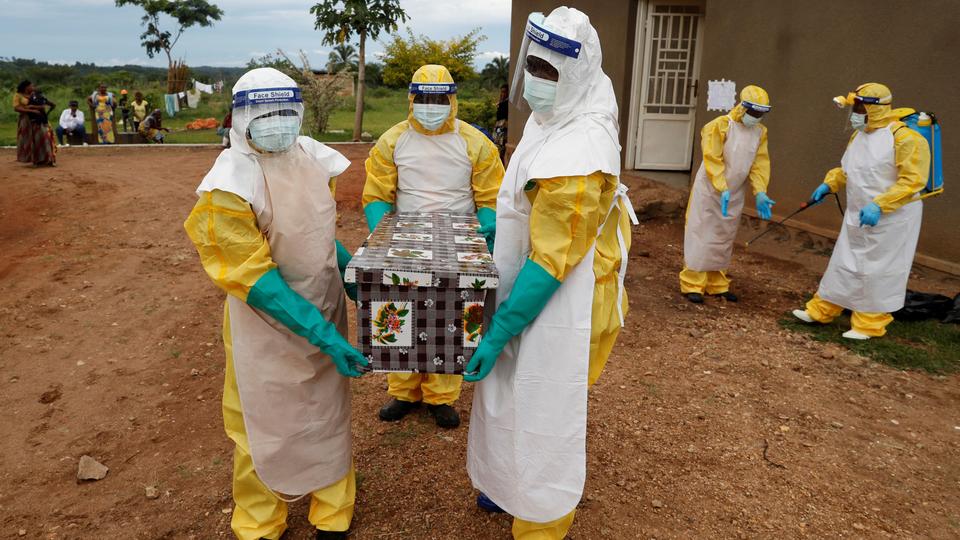
DRC: Congo announces end to the current Ebola Virus outbreak in East Africa

Health Officials containing the spread of the virus

Congolese officials on Thursday declared an end to an Ebola outbreak that has killed at least six people since October in the latest health challenge facing the country’s troubled east.

The most recent outbreak occurred in North Kivu province, the same part of the Congo where more than 2,200 people died during the Ebola epidemic that began in 2018.

Dr. Matshidiso Moeti, the World Health Organization’s regional director for Africa, said Congolese health workers “were able to limit widespread infection and save lives.”

“Important lessons are being learned and applied with the experience of every outbreak,” she said.

Research has shown that the first case from the latest outbreak “likely represents a new flare-up of the 2018-2020 Ebola outbreak because of the persistence of the virus in the community,” the WHO said on Thursday.

Scientists have previously documented Ebola survivors who inadvertently infected others long after they recovered. For example, health officials have warned that the virus can persist for more than a year in the * of survivors.

The newly ended outbreak marked the 13th time Congo fought Ebola, including another outbreak in North Kivu between February and May of this year.

Preventing the disease has proved particularly difficult in North Kivu, which is home to numerous armed groups.

While the 2018-2020 pandemic marked the first time that people at risk could be given vaccines, insecurity in rural areas prevented health workers from reaching many people safely. The WHO said those challenges were faced to some extent by the vaccination and contact surveillance teams this time as well.

UNESCO adds Senegal National dish to its cultural heritage list.

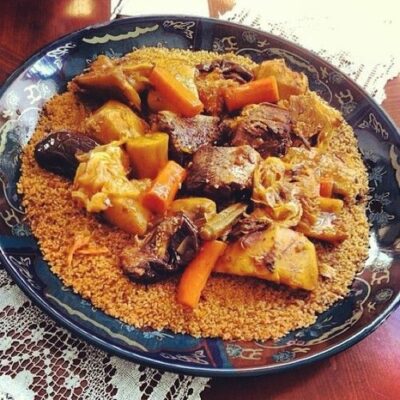
The UN’s cultural agency UNESCO on Wednesday added Senegal’s national dish, rice and fish platter, called “Thibou Daeun”, to its cultural heritage list.

Senegal’s Ministry of Culture applied in October to include the dish, widely consumed in the West African country, on the Intangible Cultural Heritage of Humanity list.

“Thibou Dieun” means “rice with fish” in Senegal’s major Wolof language. It is often prepared with vegetables such as cassava or tomato and is served at lunch.

The northern Senegalese city of St. Louis is believed to be the birthplace of the dish.

The city, whose old center is itself a UNESCO World Heritage Site, borders the Atlantic Ocean and hosts a thriving fishing community.

“The recipe and technique are traditionally passed down from mother to daughter,” UNESCO said, adding that the dish is traditionally eaten with hands.

Thibou Dieun – also spelled “Cibu Jane” in Wolof – joins other food-related items on the UNESCO list, such as Neapolitan’s art “pizzaiolo”, and couscous culture in Mauritania, Morocco, Algeria and Tunisia.

Design a site like this with WordPress.com
Get started