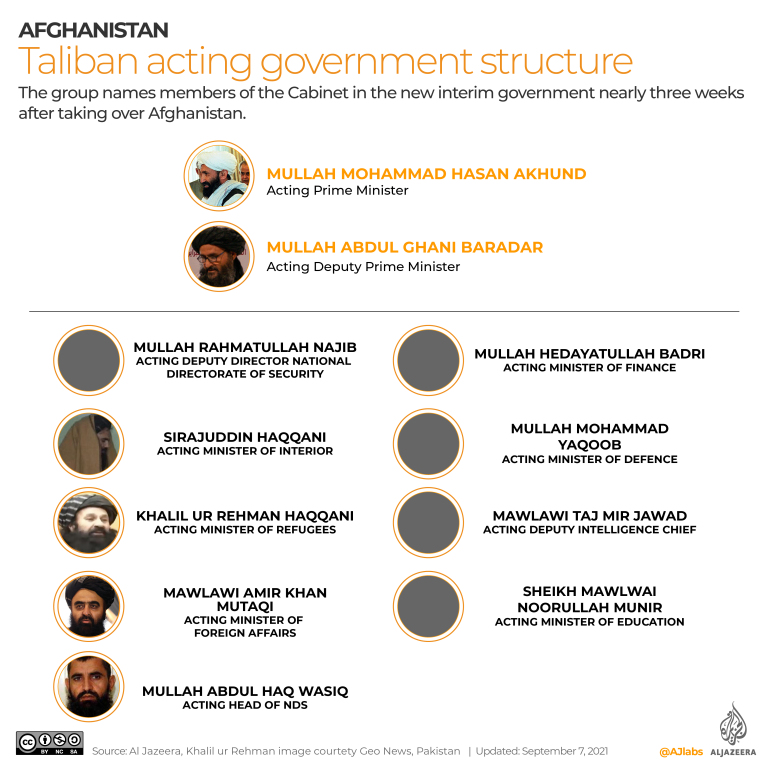
Afghanistan: Taliban appoints acting government

The Taliban has appointed its new government to rule Afghanistan in adherence to their religious beliefs, henceforth declaring the nation and Islamic Emirate. The appointed cabinet constitutes male senior Taliban members, with some popularly known for notorious attacks on the United States Forces over the last two decades of war.
Mullah Mohammad Hassan Akhund will lead the new government. He is one of the Taliban founders and is on the United Nations blacklist. The Interim Minister is the most feared FBI-wanted leader of the Haqqani militant group, Sirajuddin Haqqani.
Seems so that the Taliban is not at all considering women and their rights at the moment. Sources also say the Ministry of Women’s Affairs has been abolished. Despite their new changes, the appointed acting government is obviously going to face extreme challenges, stabilizing the country’s economy being the major one since the war has drained the nations extensively.
The Taliban Supreme Leader Mawlawi Hibatullah Akhundzada has instructed the government to uphold the Sharia Islamic Law. He also went on to say, ”We want strong and healthy relations with our neighbors and all other countries based on mutual respect and interaction, and that we will respect all international laws and treaties that are not in conflict with Islamic Law and the country’s national values”.
Now what concerns most people is the newly appointed leaders and their relations with foreign nations especially the United States. Sirajuddin Haqqani, the newly appointed acting interior minister is known as the head of a militant group known as the Haqqani Network who are associated with the Taliban and is behind most of the deadliest attacks that took place in the past 20 years which includes a truck bomb explosion in Kabul in 2017 which claimed more than 150 lives.
This Haqqani Network has since been identified as a foreign terrorist organization by the US. The FBI says Haqqani is wanted for questioning in connection with the January 2008 attack on a hotel in Kabul that claimed six lives, including an American citizen. He is also believed to have been the coordinator and participant off cross-border attacks against the United States of America and coalition forces in Afghanistan.
Chances that the Taliban might create relations with the global community are very low since most of the members of the new government are considered terrorists by the UN and other states.
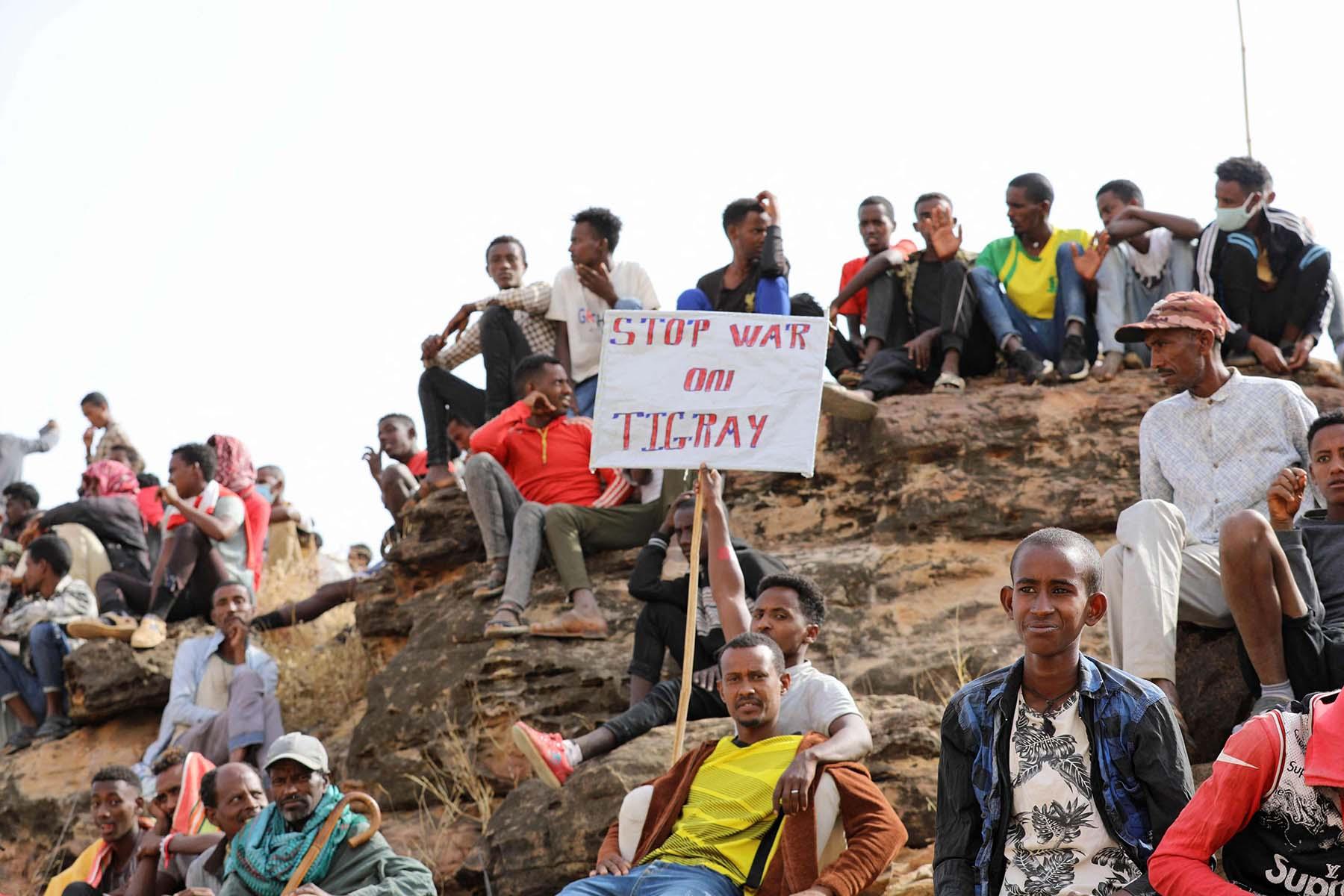
Ethiopia: Tigray Crisis

The conflict between the Ethiopian military and the Tigray rebels group has been raging on for 10 months now and still counting. Many people in the Tigray area of Ethiopia have been affected immensely, some have managed to escape the area, and some have died along the way.
This war began last year after months of disagreement between the Prime Minister Abiy Ahmed’s government and leaders of the TPLF, the main political party in the region. The Prime Minister sent troops to Tigray to overthrow the regional government after accusing the Tigray People’s Liberation Front (TPLF), of capturing military camps.
According to the BBC World News, thousands have recently been reported dead due to the clashes in the northern region of Ethiopia as the conflict between the two goes on. For the past ten months, the war has been raging on and many families are now suffering severe poverty conditions as a result of this conflict.
A source confirms that on Sunday the rebel forces said it had killed 3,073 “enemy forces”, with 4,473 injured as well. This comes after the military said it had killed more than 5,600 rebels without giving a detailed time frame. The Senior Army general Bacha Debele also said another 2,300 rebels were wounded and 2,000 captured. It is not certain when all these happenings could have taken place as a result of communication blackout in the region.
The rebels their figures were from Afar and Amhara regions that boarder Tigray. Behane Gebrekristos, the former Ethiopian Ambassador to the United States, and now a supporter of the rebel Tigray People’s Liberation Front (TPLF) group, described the government’s claims that they are fake and that they were just saying so to give a morale boost to their forces.
The government has labelled the TPLF as a terrorist group while it also says it is the legitimate government of Tigray which just makes it even more confusing what they are actually trying to say or prove. People have been killed and some forced to leave their homes, others have managed to escape into Sudan, some have died along the way to the boarder. Both the government of Ethiopia and the TPLF have been accused of committing atrocities, including rape and mass civilian killings.
Whenever there is a struggle for power, it is always the ordinary civilians that are immensely affected with the conflict. In the past two weeks the army and its allies have managed to push back the Rebel forces and regained control of some strategic areas. But key areas within Afar and Amhara, including the town of Lalibela with its UNESCO world-heritage rock hewn churches, remain under the TPLF control.
On Friday, last week, the United Nations accused the government accused the Government of purposefully blockading aid supplies to Tigray, warning that millions of people were being put at risk. According to a statement by the UN, 5,2 million lives need urgent assistance if ‘the world’s worst famine decades’ is to be avoided. It also stated that, 400,000 were already living in poverty stricken conditions. On Saturday the government said 500 trucks with aid had entered the region, including 152 in the past two days. They also said the number of security checkpoints had been reduced. There has been no verification of this claim.

2021 Weather Hazards: The After Effects

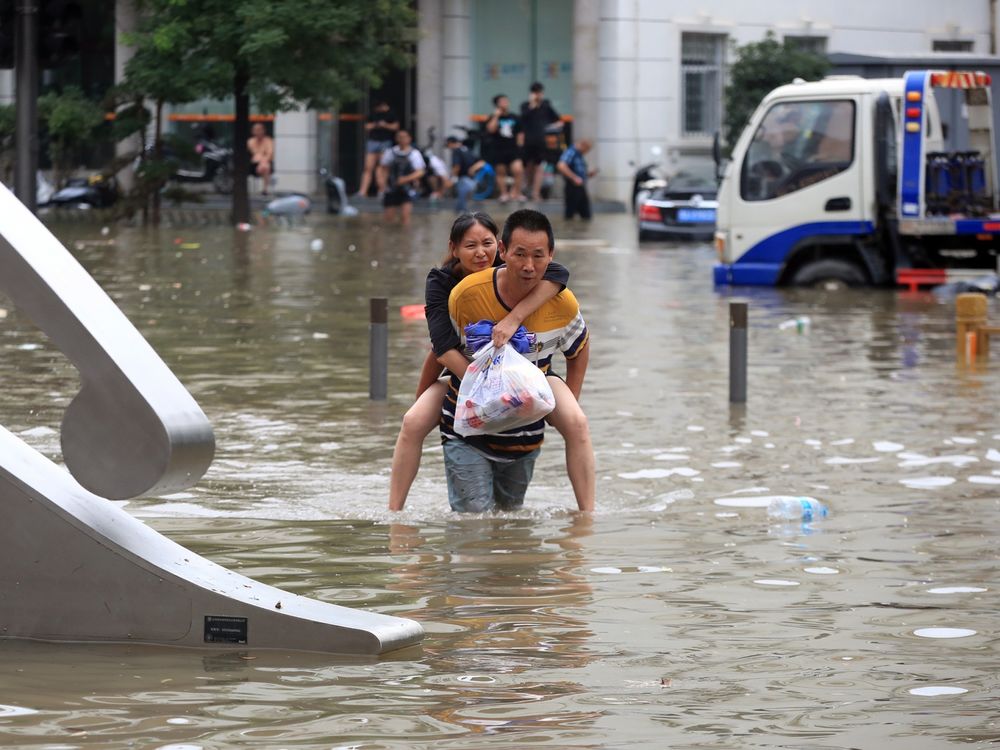
Floods in China, Sichuan

From the recent United Nations report, it has been recorded that the number of extreme weather hazards have sharply increased fivefold from the 70s to the present decade and it is believed to be as a result of global warming.
Recently, countries all over Asia, Europe, Australia and America have experienced disastrous weather conditions that have resulted in the damage and loss of properties, death of many beloved ones and loss of jobs as well. According to the World Meteorological Organization (WMO), nearly 500,000 people have died as a result of weather disasters in the last 20 years.

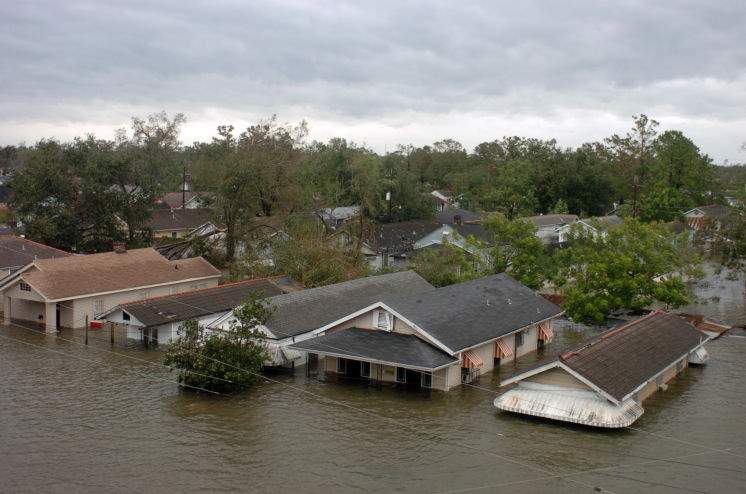
This report comes during this disaster filled summer at global level, with the recent case being that of the United States of America being hit by Hurricane Ida and an onslaught of drought induced wildfires.
As recorded for now, Hurricane Ida has taken 45 lives, Susan Cutter, the director of the Hazards and Vulnerability Research Institute at the University of South Carolina also highlighted that Hurricane Ida is an example of heavy damage and what might probably be less of loss of life than past major hurricanes.

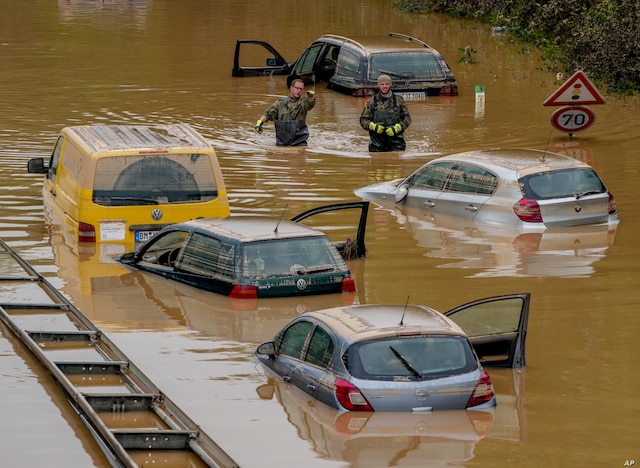
Germany is of no exception in the trouble as the nation first experienced heavy floods in July 2021. Heavy rains swept across Western Germany, with the states of Rhineland-Palatinate and North Rhine-Westphalia were the most affected as well as the neighboring countries of Belgium and Netherlands.
The Floods began in the United Kingdom as flash floods causing damage and inconvenience. Western Europe recorded a total of 230 deaths, 184 in Germany, 42 in Belgium; 2 in Romania; 1 in Italy and 1 in Austria. Property damaged recorded to be worth ten billion pounds and almost 200000 properties left without power.

Japan is also included amongst the nations that have suffered most from these weather disasters. About 1.4 million residents were displaced in Japan as the heavy rains triggered floods and landslides in western Japan, NHK reported. Downpours resulted in a devastating landslide in the central resort town of Atami that killed 23 people, with four who were still missing.

In China, flooding caused by excessive heavy rains killed 21 people in China’s Hubei Province. Over 80,000 residents evacuated their homes in response to the flooding in Sichuan Province, south west of China. The Meteorological Center figures showed that in 24 hours to late 08 August 2021, Qu County in Sichuan had 334.0mm of rain and Dazhou City 325.3mm.
Media reported 100,000 were also evacuated in Bazhong and a total of 589,400 people affected in that province. The floods are believed to have caused 27 million US Dollars’ worth of damage.

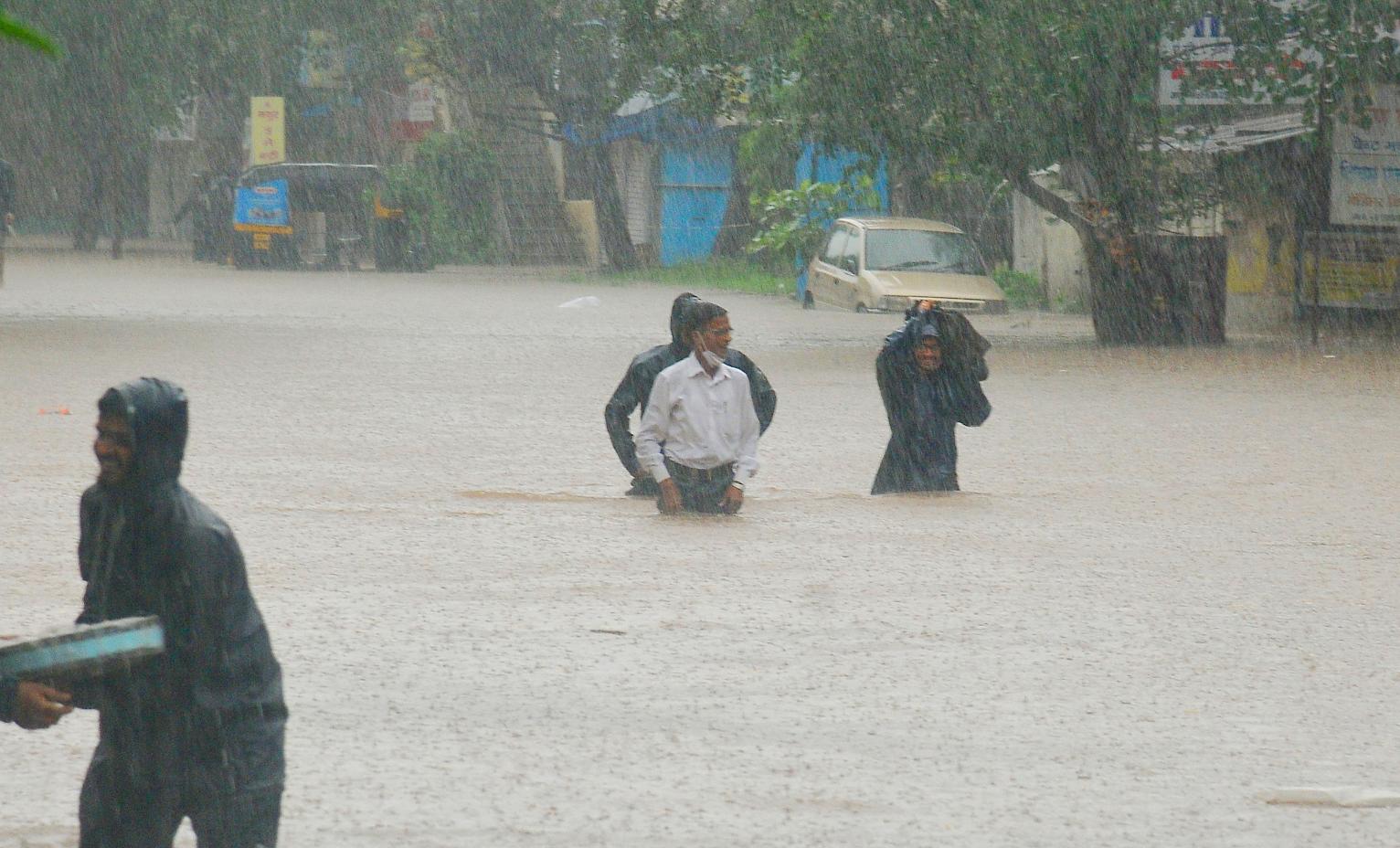
India also recorded 400 villages in the state of Uttar Pradesh being flooded after a multiple number of rivers broke their banks. According to the Disaster Management Division of India (DMD), excessive rain in Rajasthan and Madhya Pradesh, a lot of water was released in River Chambal. Heavy rains and overflowing rivers combined to affect other districts including Ballia, Budaun, Gonda, Etawah, Prayagraj and Baghpat to mention a few.

DMD recorded flooding in 466 villages across 21 districts, a total of 104,704 people affected, 274 houses destroyed and 722 others severely damaged.
2021 as many expected, was not much different from 2020, in fact it has been more disastrous than 2020, Covid-19 cases and death cases keep going up and on top of that comes weather disasters.
Let me know of what you think of the events happening in our beloved 2021

Top Five Historical Sites in Africa

BCE ~ Before the Common CE ~ Common Era

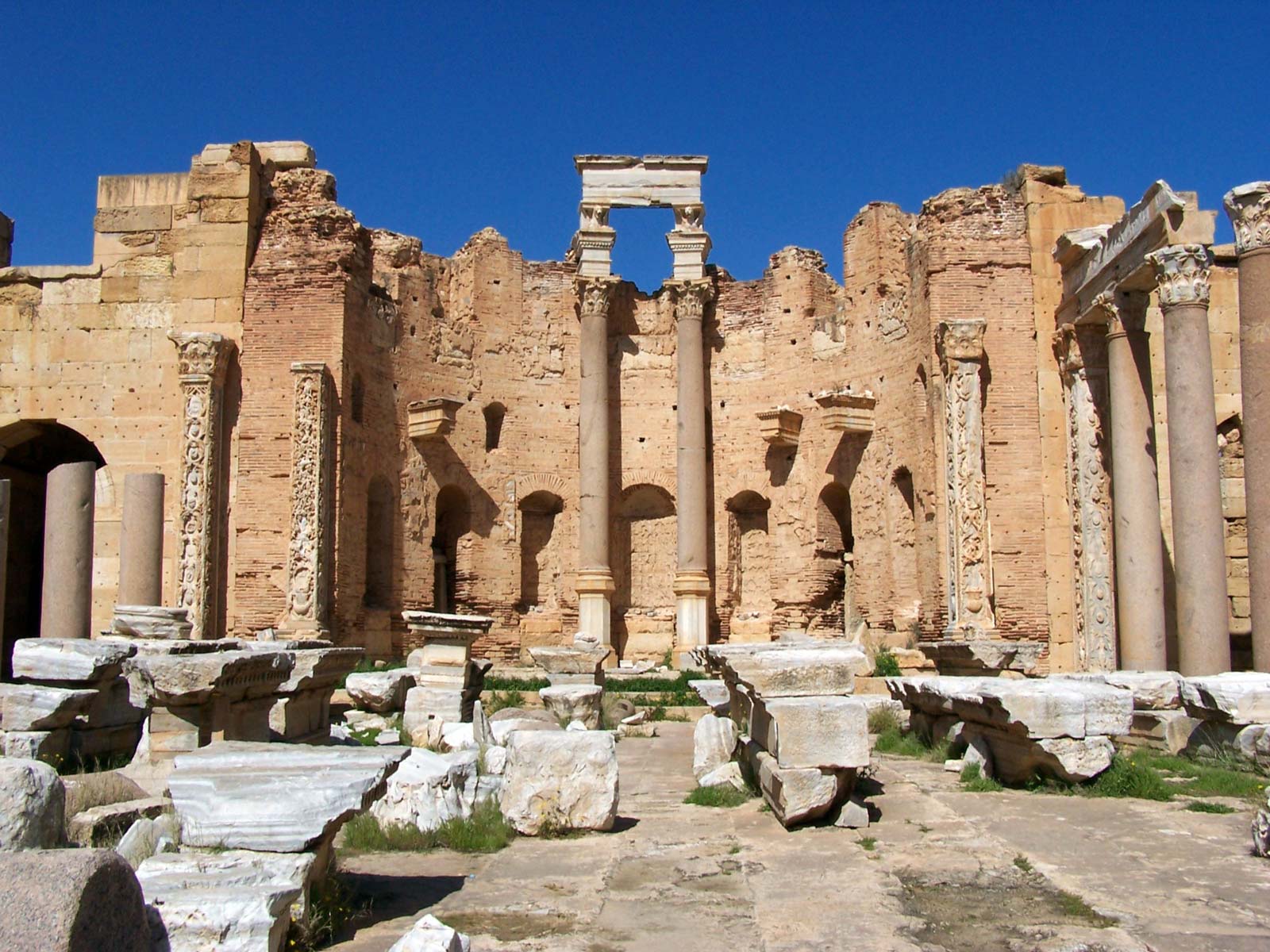
1. Leptis Magna: Libya


Leptis Magna was identified as one of the largest cities of ancient Tripolitania. It is situated in the Mediterranean outskirts of what is presently identified as northwestern Libya and is believed to contain some of the world’s finest and rare remains of Roman architecture.
It came about in the 7th century BCE, built by the Phoenicians and later settled by the Carthaginians. It was used in the Mediterranean as a trade center. It fell into ruin after being conquered by the Arabs in 642 CE and eventually became buried in the dunes, only to be rediscovered in the 20th century.

2. Great Zimbabwe


Great Zimbabwe Ruins might just be the perfect place to visit on your vacation. You get to explore ancient ruins, do fun activities and also go on wildlife tours.
From the 11th to the 15th century, Great Zimbabwe was the core of a thriving trading empire that was based on cattle breeding, farming and mineral trade on the Indian Ocean. These magnificent stone ruins of this early African State are located in the South-Eastern portion of the modern-day country of Zimbabwe.
Approximately 10000 to 20000 people are believed to have lived there and the site, commonly known of its structure design and the presence of some form of culture practiced there.
The Eurocentric view to the origins of the Great Zimbabwe incorrectly credited the ancient civilizations such as Phoenicians, the Greeks or the Egyptians. However the Afro Centric view proves otherwise the stone structures were built by an Ethnic group called the Hungwe people.
Great Zimbabwe still exists and is currently operating as a tourism sight in Zimbabwe.

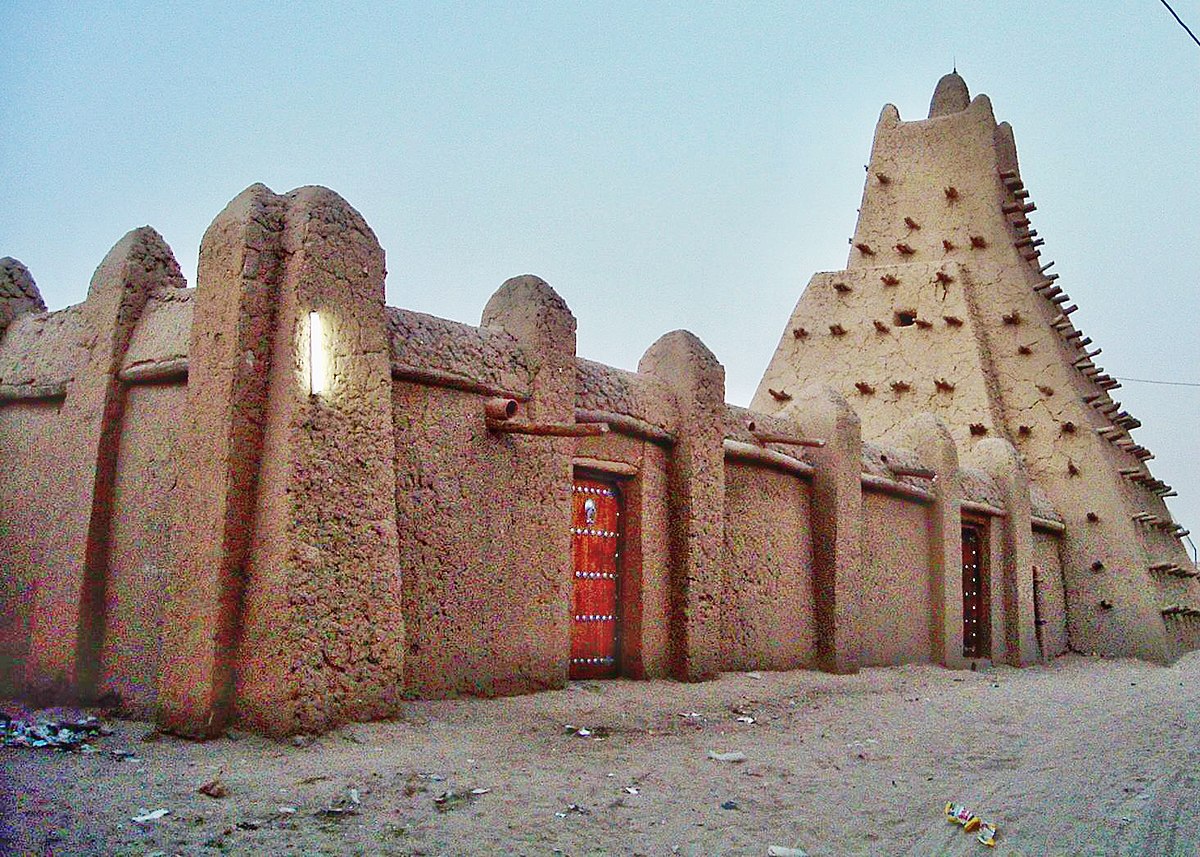
3. Timbuktu: Mali


Geographically set in the Southern parts of the Sahara desert, which is now called Mali, the city of Timbuktu. The place has a historical purpose it served as a trading post on the trans-Saharan caravan route, as well as an Islamic Culture center from the 15th to the 17th century.
The city was built by Tuaregs around 1100 CE, and later became a part of the Mali Empire, since then, there have been multiple changes. Three of Western Africa’s oldest mosques which are Djinguereber, Sankore and Sidi Yahia were built there.
The city was a well-known center for Islamic learning and housed a large collection of historical African and Arabic manuscripts, many of which are believed to have been stolen and smuggled out of Timbuktu beginning in 2012, after the Islamic militants who had seized control of the city began damaging and vandalizing many products of great historical and cultural value.

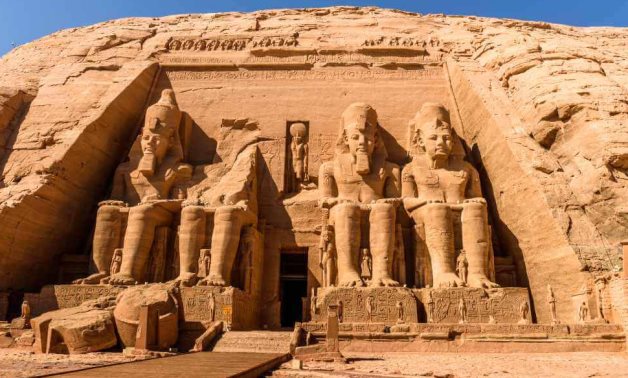
4. Temple of Luxor, Thebes, Egypt


The remains of this awesome city date back to the 11th dynasty of ancient Egypt. It is located on the Nile River in what is now known as the country of Egypt. The Thebes also include the rich sites of Luxor, the Valley of the Kings, the Valley of the Queens and Karnak.
The remains at these sites include temples, palaces, royal tombs etc. which gives a view of the architecture and the religious life of ancient Egypt.

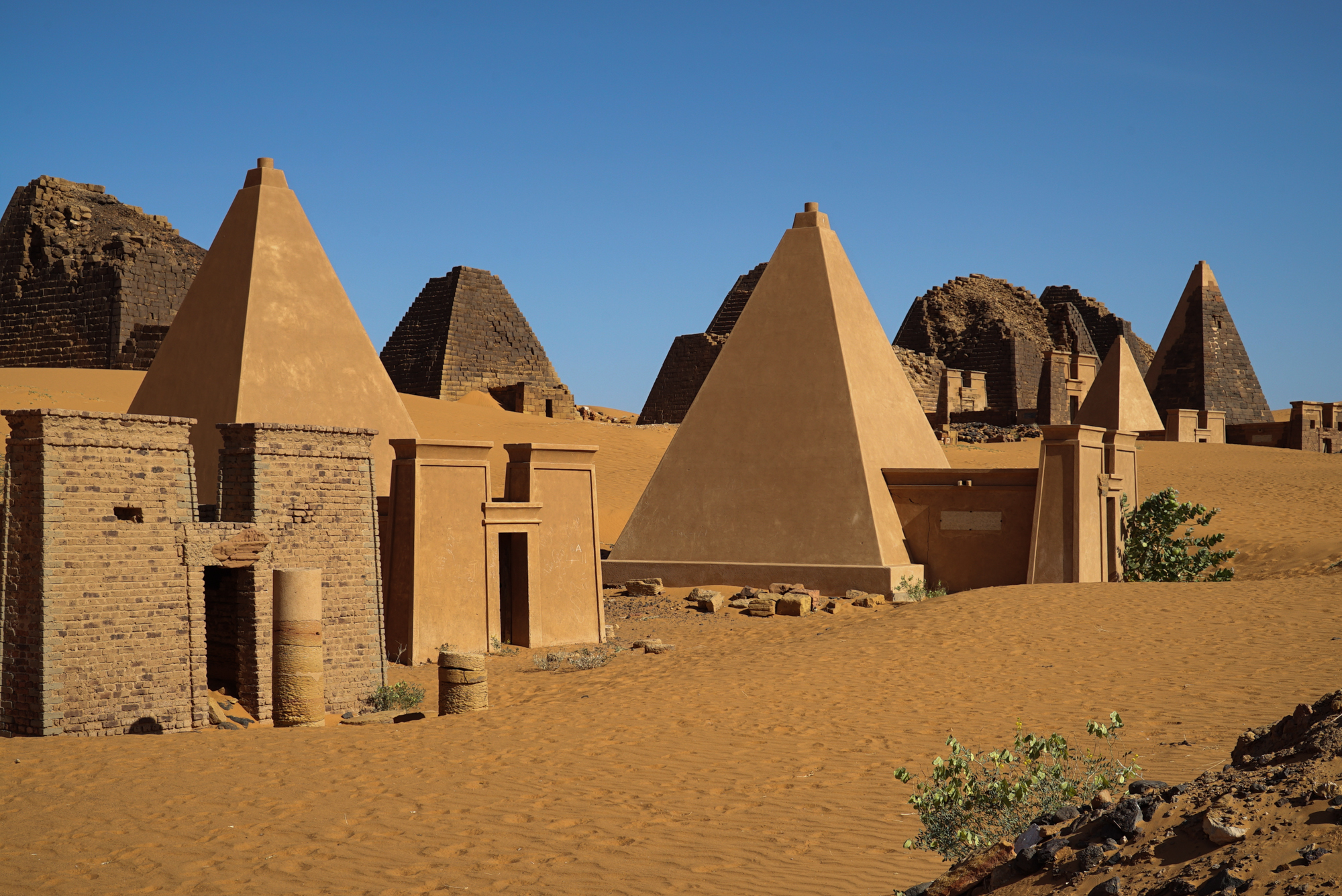
5. Meroe


The magnificent ruins of the ancient Kushi city of Meroe are located on the east bank of the Nile River in what is now known as the country of Sudan. The city was built in the 1st millennium BCE. It became the southern administrative center for the kingdom of Kush about 750 BCE and later became the capital.
Its demise began after being invaded by Aksumite armies in the 4th century CE. The ruins were discovered in the 19th century, and excavations in the early 20th century revealed parts of the ancient town. The pyramids, as you can see in the pictures extraordinary examples of the architecture and culture of the kingdom of Kush.

Design a site like this with WordPress.com
Get started